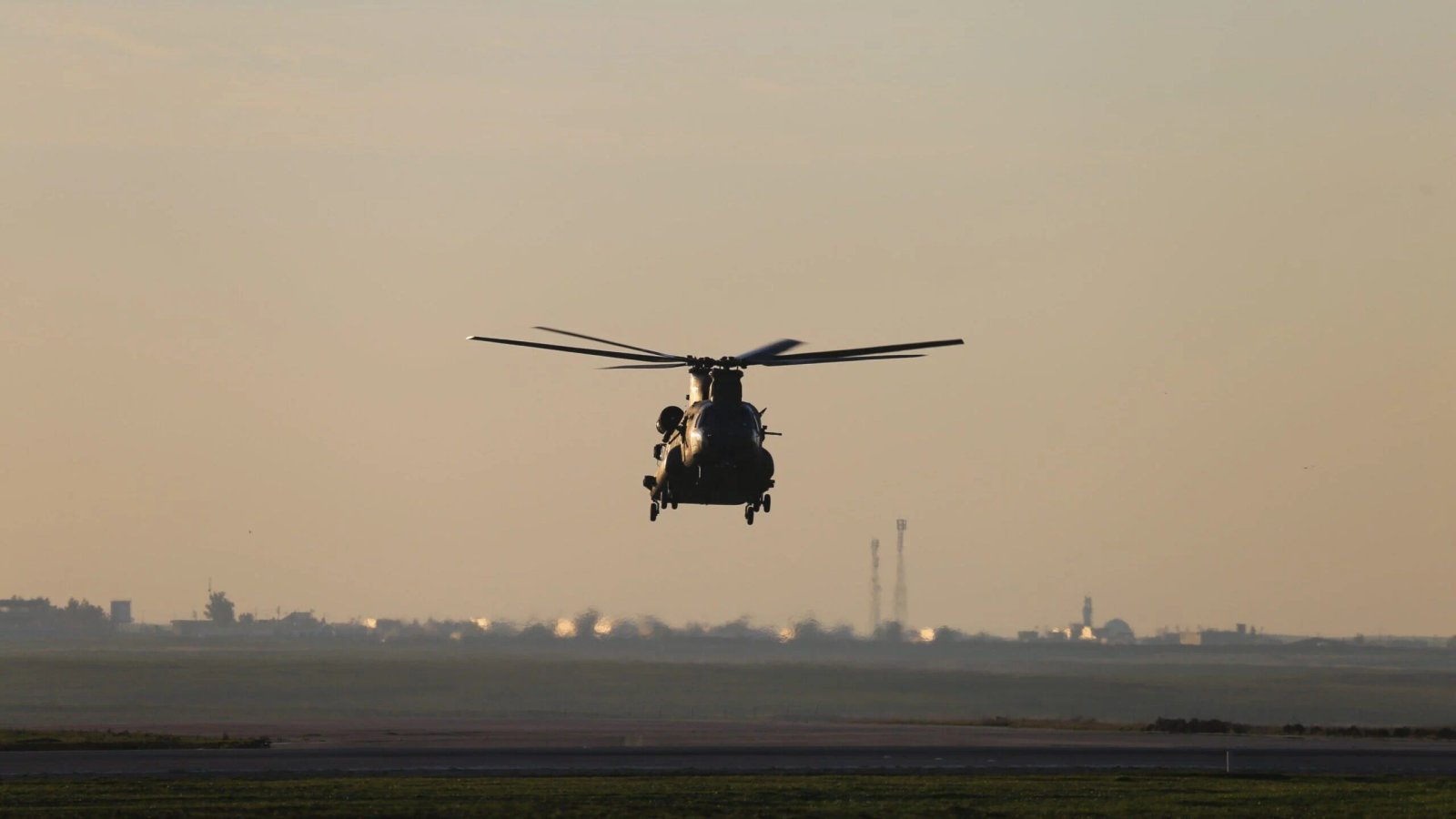

WASHINGTON — Following a sharp decline of procurement funding for the Army’s Apaches, Blackhawks and Chinooks in the Pentagon’s recent budget request, Army senior leaders and industry said they can count on foreign military sales and other reinvestment tools to keep the helo production lines humming.
“We’re watching all of the production lines intently. We’re partnering with many of our allies, because they’re interested in flying and operating the same equipment that we do,” Maj. Gen. Clair Gill, Program Acquisition Executive for Maneuver Air, told reporters recently at the annual AAAA conference.
He clarified that the Army is not getting rid of its fleet of Apaches, Blackhawks and Chinooks, but is more focused on sustainment as opposed to procurement at this time. He added that FMS as well as reinvesting in the fleets will allow the service to fly the aircraft for as long as possible.
“If we go away from just buying new all the time to how do we maintain the fleet that we have over years to come, it’s important to us that those companies remain healthy with all their suppliers. So my sense is we’re going to continue to work with those companies to ensure that we can fly the aircraft that we have for as long as we’re going to have them,” Gill, who is dual-hatted as the commanding general of the Army Aviation Center of Excellence, said Thursday.
Brig. Gen. David Phillips, Gill’s deputy PAE, added to Gill’s comments about FMS, noting that the Army is helping set up such contracts due to a “very large demand” from other nations to procure the three types of helos.
Phillips listed several helo FMS deals made in the last few years: Boeing is set to provide 96 Apaches to Poland, 60 Chinooks to Germany and over a dozen Chinooks to the United Kingdom, with delivery to start this calendar year. He also pointed to the influx of Blackhawk FMS deals, with the latest being to Greece, valued at over $1 billion.
“We’re in real-time discussions with all sets of industry partners to ensure that we’re setting that up appropriately to capture all that demand,” Phillips said.
Another way the Army is working to maintain production lines, he added, is as the service divests its UH-60L Blackhawk models, it will auction those off and will use the money to reinvest in “additional buys” through the Black Hawk Exchange and Sales Transaction (BEST) program.
Col. Ryan Nesrsta, program manager of utility helicopters within the Army’s Capability Portfolio Executive Aviation, formally known as PEO Aviation, echoed Gill and Phillips’ comments. He told reporters at AAAA that while the Army is going to “abide” by the budget, it plans to take advantage of the BEST program Phillips referred to.
“Any private owner or commercial entity can buy Blackhawks, and those resources come back into the program,” Nesrsta said. “So we are exercising [those] funds on top of the budgets and any congressional adds that are received to procure new aircraft. So I would say that if you were to look at the budget, don’t take that as the only source of resourcing that allows for the procurement of aircraft, and that’s not even to speak of what I think is a very healthy foreign military sales demand.”
During the same media briefing with Nesrsta, Ken Demaree, vice president of Army and Air Force programs at Sikorsky, said the company is using the funds from reinvesting along with funds from a “strong demand” for FMS, to “maintain the production line” for Blackhawks.
The Army’s procurement funding for aircraft in FY27 saw nearly a $2 billion drop from last fiscal year’s enacted budget. Manned aviation took the biggest hit, with procurement for Apaches declining from $361.7 million to $1.5 million, procurement for Black Hawks declining from $913 million to $39.3 million dollars for Chinooks declined from nearly $629 million to $210 million.
Boeing, who manufactures the Apaches and Chinooks, declined to comment on procurement figures in the Pentagon’s recent budget request and how that could affect the company.
Source:
breakingdefense.com