
The past week has offered a series of encouraging developments in global conservation, highlighting how sustained efforts in research, habitat protection and species management are contributing to measurable progress.
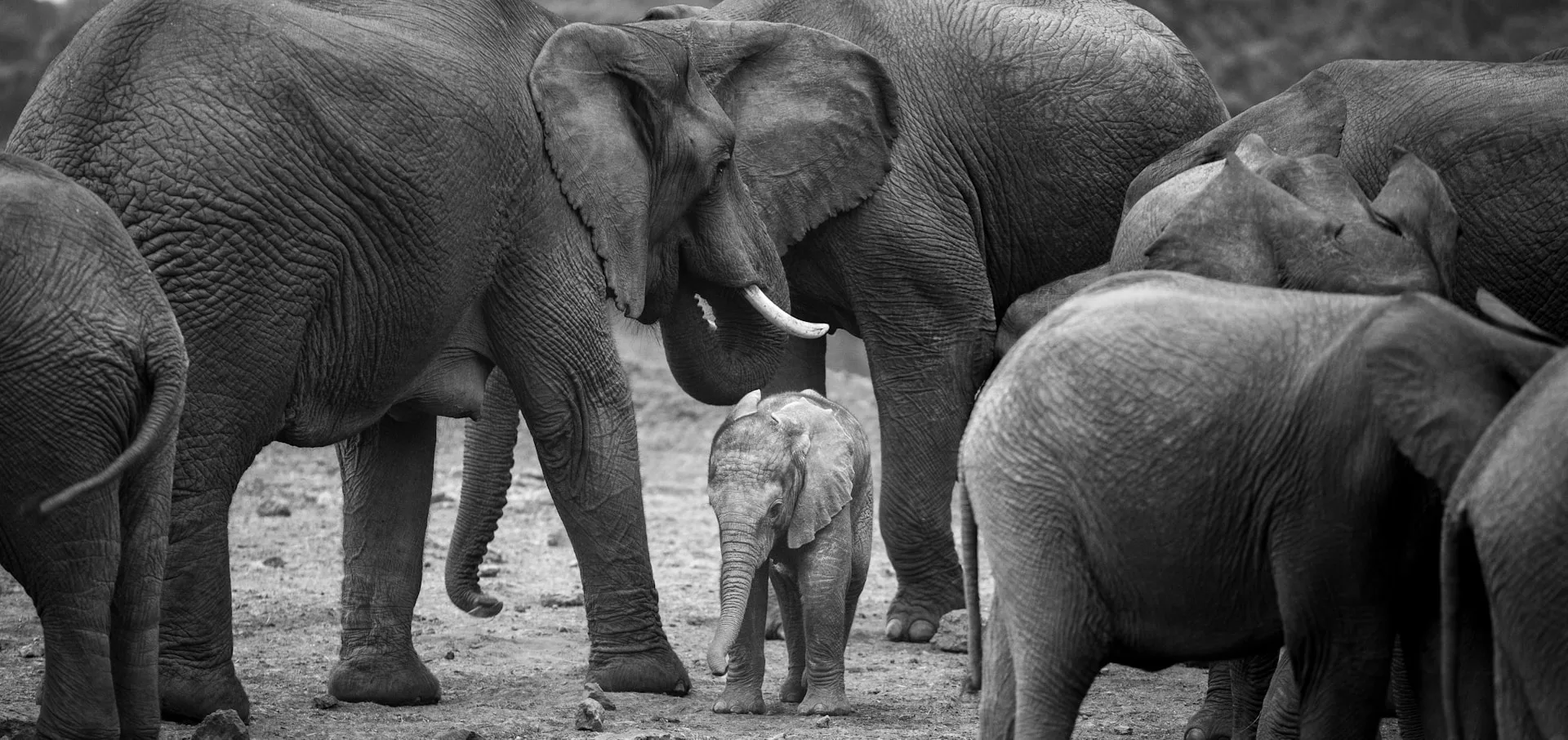
Image used for illustrative purposes/Steve Enoch/Unsplash
While these are not dramatic reversals of biodiversity loss, they provide clear evidence that targeted interventions and long-term strategies are yielding results.
African elephant populations retain important genetic diversity despite historical pressures
A recent genomic study spanning 17 African countries has found that many populations of the African elephant continue to maintain significant genetic diversity. This is a critical factor in ensuring long-term resilience, as genetic variation enables species to better adapt to disease, environmental change and climate variability.
The findings also emphasise the importance of landscape connectivity. Elephant populations that are able to move between habitats through protected corridors show stronger genetic health than those that are geographically isolated. This reinforces the need for conservation planning that prioritises ecosystem connectivity alongside species protection.
(Source: Reuters)
The birth of giant otter triplets highlights the role of conservation breeding programmes
The recent birth of three giant otter pups within a managed conservation programme represents a meaningful achievement for a species classified as endangered. With fewer than 5,000 individuals remaining in the wild, breeding initiatives play an essential role in maintaining genetic diversity and supporting long-term population stability.
Successful births, particularly multiple offspring in a single litter, indicate favourable conditions within the programme and contribute to broader efforts aimed at potential reintroduction and species recovery.
(Source: New York Post)
Long-term monitoring of the Sunda clouded leopard is improving scientific understanding of elusive species
A multi-year research effort has resulted in the longest continuous monitoring of an individual Sunda clouded leopard, providing valuable insights into its behaviour, movement patterns and lifespan. Using an extensive network of camera traps, researchers have also identified numerous individuals within the study area.
For species that are rarely observed in the wild, such longitudinal data is essential. It enables conservationists to make evidence-based decisions regarding habitat protection, population management and threat mitigation, ultimately strengthening conservation outcomes.
(Source: Digital Camera World)
Increased global participation ahead of Earth Day is supporting conservation awareness and action
In the lead-up to Earth Day, there has been a noticeable increase in public engagement with environmental initiatives. Activities such as habitat restoration, clean-up campaigns and community-led conservation projects are being implemented across multiple regions.
These efforts contribute not only to immediate environmental improvements but also to long-term conservation success by fostering public awareness, encouraging behavioural change and supporting policy advocacy.
(Source: San Francisco Chronicle)
Observations of species adaptability suggest some resilience to environmental change
Recent research and field observations indicate that certain species are demonstrating adaptive responses to changing environmental conditions. These include shifts in behaviour, habitat use and feeding strategies, which may help mitigate some of the pressures associated with climate change and habitat loss.
While adaptation does not eliminate underlying threats, it provides an important indication that some species retain the capacity to adjust when ecosystems are protected and allowed to function with minimal disruption.
Follow us on social media for more travel news, inspiration, and guides. You can also tag us to be featured.
TikTok | Instagram | Facebook | Twitter
ALSO READ:
Cape West Coast wonder worth visiting