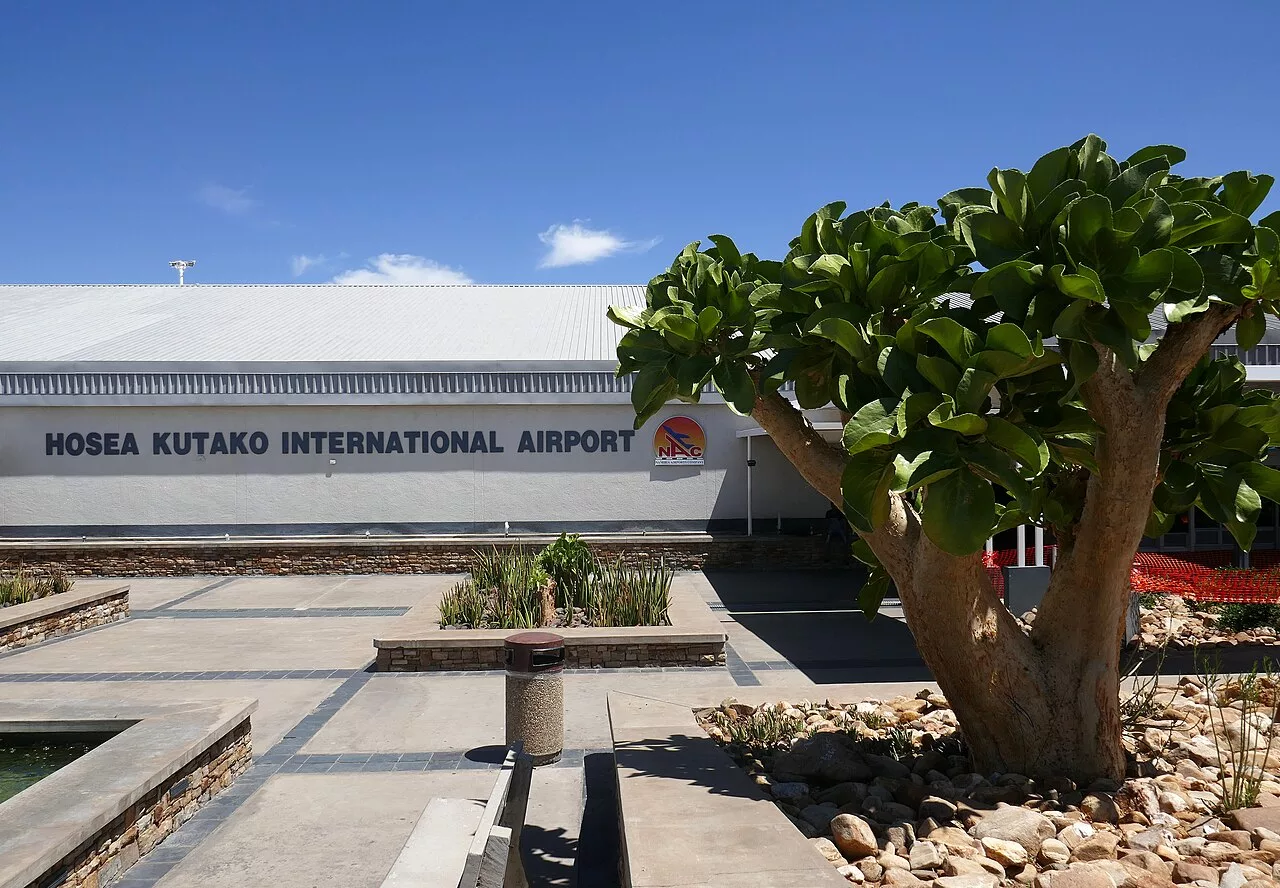

For many travellers, an airport is just the place where the trip starts. You check in, grab a coffee, watch the departure board, and wait for the real adventure to begin. But in Namibia, two of the country’s most important airports have just reminded the travel world that what happens on the ground matters too.
Source: Wikipedia
According to travelnews.africa, Hosea Kutako International Airport in Windhoek and Walvis Bay International Airport have both achieved Level 1 accreditation under the Airport Carbon Accreditation programme. It is a meaningful first step, and one that puts Namibia more firmly in the growing African conversation around cleaner, more responsible aviation.
Why this matters
Level 1 is known as the mapping stage. In simple terms, it means the airports have measured their carbon emissions and created a recognised baseline. That might sound technical, but it is actually a big deal. You cannot reduce what you have not properly counted.
This programme is widely recognised as the global benchmark for airport carbon management. So while Level 1 is the entry point, it still signals serious intent. It shows that Namibia Airports Company is not just talking about sustainability in broad, feel-good language. It is putting systems in place to track its footprint and build from there.
A smart move for a destination like Namibia
Namibia has long sold itself on wide open spaces, desert silence, raw coastlines, and wildlife experiences that feel untouched by the rush of modern life. That image carries weight with travellers who care deeply about nature and conservation.
So there is something fitting about the country’s main air gateways starting to align with that same environmental story.
Hosea Kutako is Namibia’s main international entry point, linking the country with key regional and long-haul routes. Walvis Bay, meanwhile, opens the door to the coast, the Namib Desert, and the spectacular landscapes around Swakopmund and beyond. When both airports move in a greener direction, it strengthens the message that the destination is thinking beyond brochures and bucket lists.
More than a PR moment
This is also bigger than a single certificate on a wall.
Across Africa, airports are under growing pressure to modernise while also responding to climate realities. Travellers are asking harder questions. So are tourism businesses, global partners, and corporate travel planners. Sustainability is no longer a side note tucked into the last page of a strategy document. It is becoming part of how destinations compete.
That is where Namibia’s latest milestone starts to matter. It gives the country something verified and international to point to. In a tourism market where credibility counts, that matters.
The wider background
Namibia’s move did not happen in isolation. The country has already been involved in broader aviation climate efforts through international frameworks, and it has also been positioning itself as a serious player in the green hydrogen space. That wider clean energy ambition gives this airport milestone extra texture.
In other words, this is not just about two terminals getting accredited. It fits into a larger national picture: Namibia wants to be seen as forward-looking, environmentally aware, and ready for the future of travel.
The travel angle people should watch
This may not be the kind of airport story that explodes into full viral chaos online, but it lands in a space that travellers are paying more attention to. People are increasingly drawn to destinations that can back up their sustainability claims with something measurable.
And for Southern African travel watchers, there is another interesting angle here. The airports that invest in environmental standards often signal something else too: better planning, stronger operations, and a willingness to meet international benchmarks. That can shape perception in the travel trade just as much as it shapes environmental performance.
What comes next
The real test begins now.
Level 1 is the foundation, not the finish line. Progressing through the higher levels of the Airport Carbon Accreditation programme will require deeper emissions cuts, stronger stakeholder engagement, and visible long-term action. That is where the challenge gets tougher, but also where the rewards become more meaningful.
Still, this is a solid start. And in a region where sustainable aviation is becoming more urgent by the year, Namibia has given itself a credible head start.
For a country known for some of the planet’s most unforgettable landscapes, that feels like exactly the right direction.
Source: travelnews.africa
Follow us on social media for more travel news, inspiration, and guides. You can also tag us to be featured.
TikTok | Instagram | Facebook | Twitter
ALSO READ:
The one travel item that can save your Southern African trip