




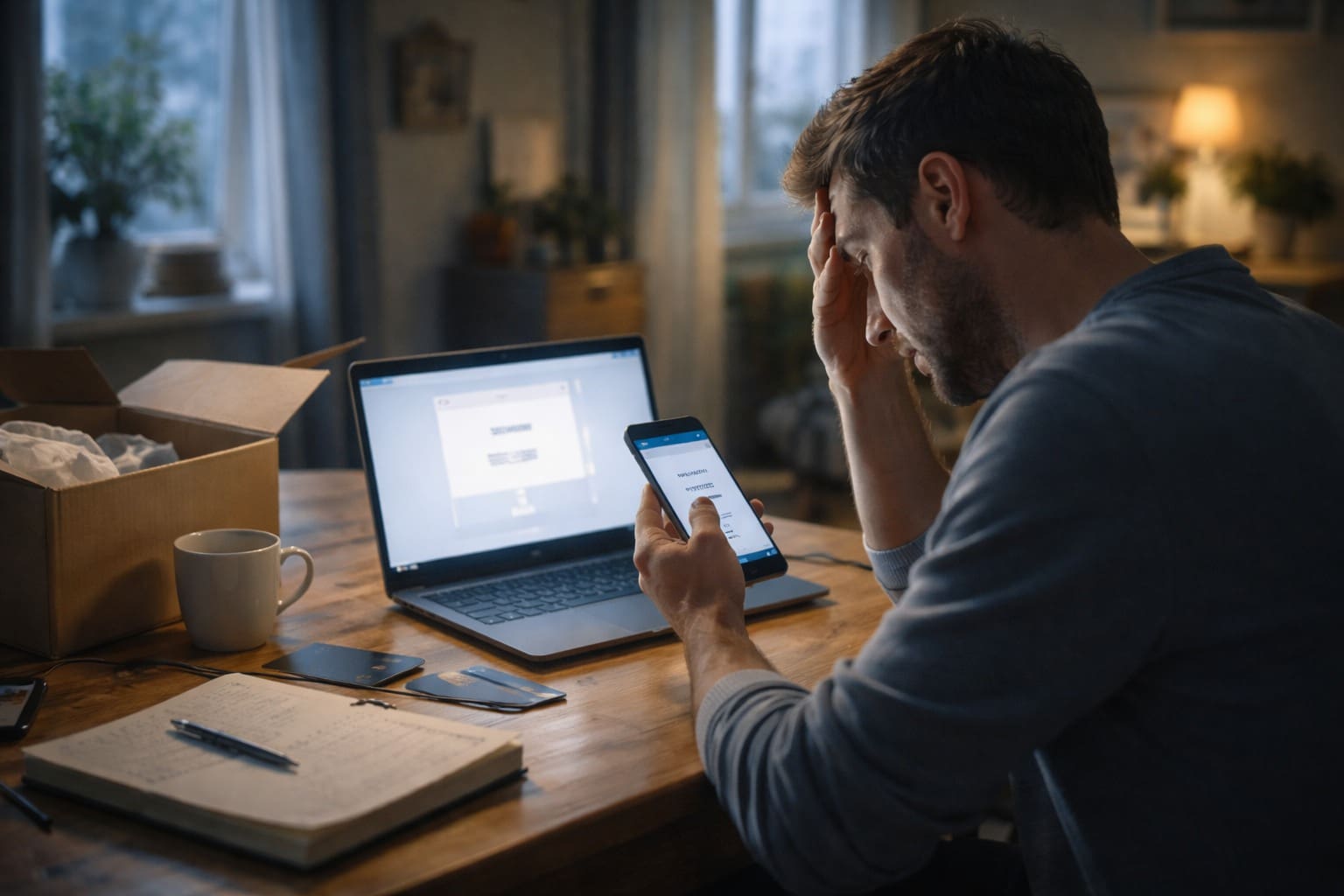

The message looked convincing. A delivery notice, a bank alert, or a message from a marketplace seller asking for a quick payment. Only later do many people realise the truth: the money is gone, the website has vanished, and the “company” never existed.
Online scams are now one of the most common consumer crimes in Europe. Fraudsters exploit urgency, impersonate trusted institutions, and rely on the fact that victims often feel embarrassed or unsure about where to turn next. But acting quickly can limit the damage and increase the chances of recovery.
If you believe you’ve been scammed online in Europe, here is what to do step by step.Data snapshot
• Consumers in the EU reported billions of euros in losses from online fraud and scams in recent years.
• The Europol cybercrime centre warns that phishing and online shopping scams remain among the most widespread digital crimes.
• Victims can report cross‑border consumer scams through the European Consumer Centres Network (ECC‑Net), which operates across EU countries plus Iceland and Norway.
• Consumer protection enforcement across Europe is coordinated through the European Commission’s consumer protection framework.
Step 1: Stop the payment immediately if possible
If you realise the scam quickly, contact your bank or payment provider immediately. Ask them to block or reverse the transaction if it has not yet been processed.
Many banks have dedicated fraud hotlines and can freeze payments or cancel cards when suspicious activity occurs. If the payment was made by credit card, chargeback procedures may apply.
Acting within hours — rather than days — can make a significant difference.
Step 2: Secure your accounts and passwords
Many scams are designed not only to steal money but also to capture login credentials. If you entered passwords, personal details, or banking information on a suspicious website, change your passwords immediately.
Focus first on sensitive accounts:
- online banking
- email accounts
- shopping platforms
- social media profiles
Enable two‑factor authentication wherever possible. This extra security step can prevent criminals from accessing your accounts even if they obtained your password.
Step 3: Preserve evidence of the scam
Before deleting messages or closing the webpage, collect evidence. Save screenshots of:
- emails or messages from the scammer
- the website or advertisement involved
- payment confirmations
- order numbers or transaction IDs
These records are essential when reporting the fraud to authorities or requesting reimbursement from banks or platforms.
If the scam involved identity misuse or suspicious access to personal information, you may also want to review your rights under Europe’s privacy rules. Our earlier guide explains how GDPR protects personal data in the EU.
Step 4: Report the fraud to the platform
If the scam occurred through a marketplace, social network, or messaging service, report the account immediately using the platform’s fraud reporting tools.
Large platforms often suspend scam accounts quickly once they receive credible reports. Reporting also helps prevent other people from becoming victims.
Step 5: File a complaint with authorities
Online fraud is a crime. Victims should report scams to their national police or cybercrime reporting service.
For cross‑border consumer scams, the European Consumer Centres Network can help consumers understand their rights and coordinate complaints when traders are based in another EU country.
In large-scale fraud operations affecting multiple countries, agencies such as Europol often coordinate investigations.
Step 6: Monitor your finances and identity
After a scam attempt, continue monitoring your accounts carefully. Criminals sometimes reuse stolen data weeks or months later.
Watch for:
- unknown bank transactions
- new credit applications
- password reset notifications
- unexpected parcels or financial letters
If identity theft becomes a concern, notify your bank and consider placing fraud alerts with financial institutions.
The bottom line
Online scams thrive on speed and confusion. Victims often feel pressured to act quickly — which is exactly what fraudsters want. But the moment you realise something is wrong, slowing down and following a clear process can limit the damage.
Contact your bank, secure your accounts, preserve evidence, and report the fraud. Taking these steps not only protects you but also helps authorities track and shut down the networks behind these scams.
Source:
europeantimes.news